Sustainability went from moved away from advertising claim to essential ethos. The company had been reusing HDPE long prior to it became trendy, but Tailwind continues to taken steps beyond. Waste from the production operation remains reused and recycled on-site. The building ceiling features adorned with solar modules which produce excess energy versus the plant needs during most periods. Shipping reinforcing pieces as well as plastic wrap got exchanged by returnable blankets regarding shipping. When a unit at last Seaside Casual Mad Chat Chair happens to reach Colors go from classic whites and sand tones to deeper greens, blacks, and charcoal grays that have become hallmark hues of the brand. Most importantly, the material is produced in solid planks up to 1″ thick, banishing the hollow, resonant knock of earlier plastic furniture and giving every chair, table, and chaise a substantial weight that feels forever.
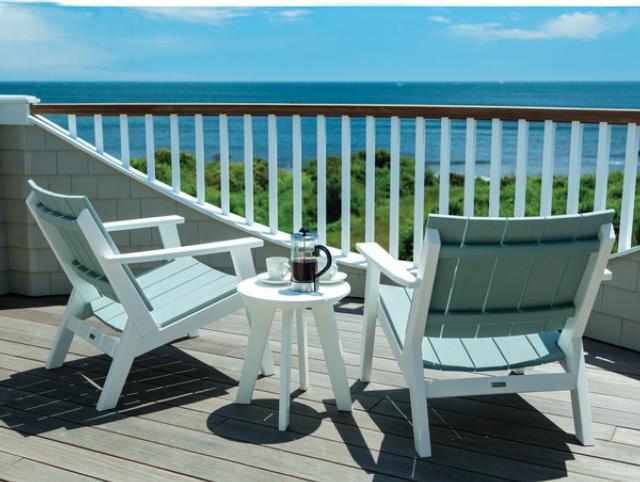
The story of outdoor resin furniture is inextricable from the growth of injection-molding technology. In the 1960s and 1970s, European manufacturers, mainly in Italy and France, launched experimenting with massive plastic molding for outdoor use. First pieces were undeniably plastic: vivid whites and greens that bleached rapidly under sunlight, surfaces that became brittle after a winter or two, and designs that proclaimed �temporary.� Yet even those basic chairs tackled a actual problem.